
Rekeying & Repair
Lock Rekeying, Repair & Replacement
Professional lock rekeying services that change the internal configuration of your locks to work with new keys. An economical alternative to full lock replacement when existing hardware is in good condition.
What Is Lock Rekeying?
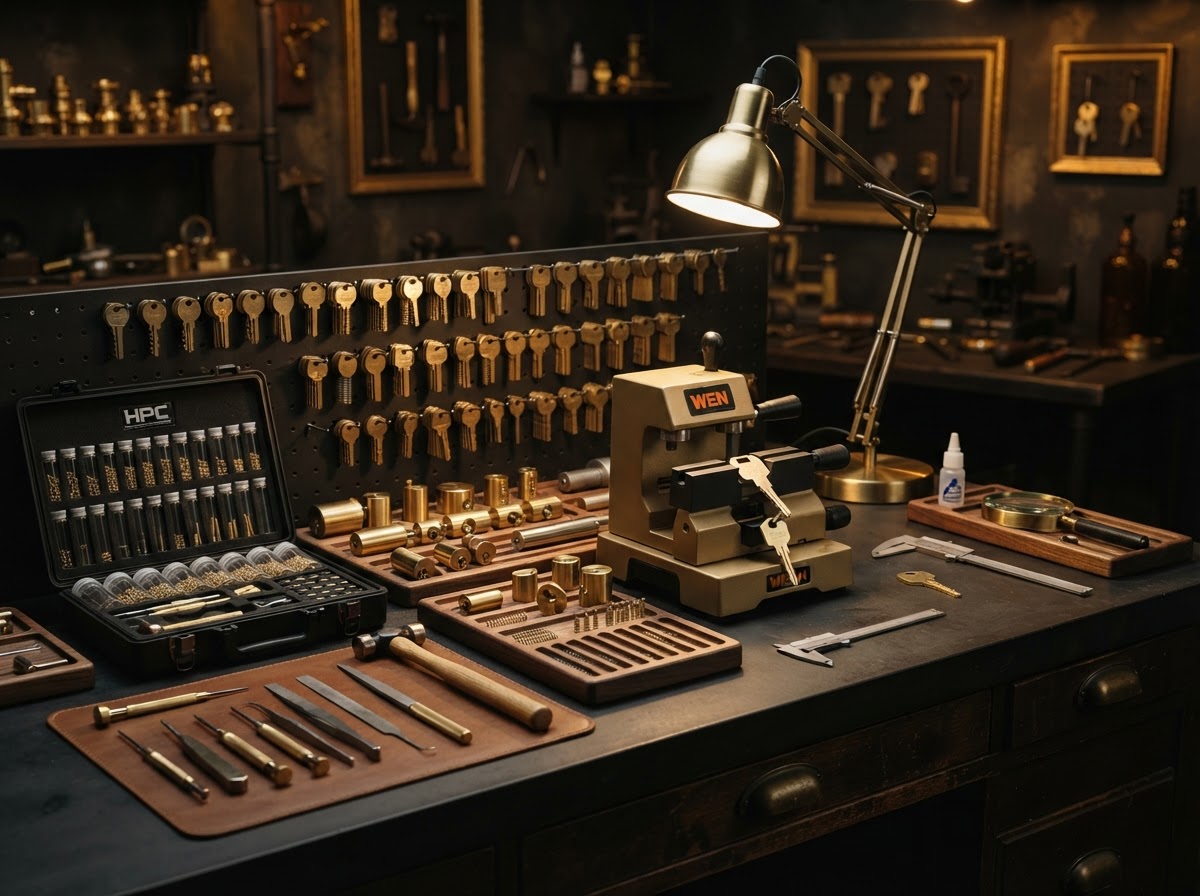
Rekeying is the process of changing a lock's internal mechanism so that it operates with a different key than before. This is accomplished by replacing the pins or tumblers inside the lock cylinder with new ones that match a different key's cuts.
After rekeying, the old keys will no longer operate the lock—only the new set will work. This provides security when keys are lost, stolen, or unaccounted for, without requiring complete lock replacement.
When to Consider Rekeying
Moving Into a New Home
You cannot account for who may have copies of previous keys.
Lost or Stolen Keys
Keys that are missing pose a security risk until locks are changed.
Tenant Turnover
Property managers should rekey between tenants.
Employee Changes
Businesses should update access after staff departures.
Key Control Concerns
When too many copies exist and accountability is unclear.
Security Upgrade
Switching to a more secure key system like restricted keyways.
The Rekeying Process
Assessment
We examine each lock to determine make, model, condition, and rekeyability.
Key Selection
Choose whether to key all locks alike (one key works all) or maintain separate keys.
Disassembly
Each lock cylinder is carefully removed from the door.
Pin Change
Internal pins/tumblers are replaced to match the new key.
Testing
Every lock is tested multiple times with new keys; old keys verified as non-functional.
Lock Repair Services
Before recommending replacement, we assess whether a lock can be repaired to proper working condition. Repair is often possible when:
- The latch or bolt is misaligned
- Internal springs have weakened
- The key sticks or is difficult to turn
- The lock has become loose in the door
- Weather exposure has caused corrosion
- Wear has developed over normal use
When Replacement Is Recommended
Replacement may be the better option when:
- The lock body is damaged beyond economical repair
- You want upgraded security features not available in current hardware
- The lock is obsolete and parts are unavailable
- Previous poor-quality repairs have compromised the lock
- Aesthetic or architectural requirements call for new hardware
Pricing Factors
Cost depends on number of locks, lock type, condition, and whether rekeying or replacement is needed.Pricing varies according to service type, hardware, labor, property conditions, time, and access requirements.
Rekeying FAQ
Is rekeying as secure as replacing locks?
If existing hardware is in good condition, rekeying provides equivalent security against unauthorized key access. The lock itself remains the same physical barrier.
Can all locks be rekeyed?
Most standard pin-tumbler locks can be rekeyed. Some high-security or proprietary systems require factory or authorized servicing. We assess each lock individually.
How long does rekeying take?
Time varies by number of locks and complexity. A typical residential job (5-10 locks) takes approximately an hour. availability and arrival estimates vary according to location, traffic, weather, job conditions, and technician workload.
Can I get all my locks to work with one key?
Yes, this is called "keying alike." If your locks are compatible brands and keyway types, we can configure them to operate with a single key.
Need Lock Rekeying or Repair?
Contact us to discuss your situation and request an estimate.
