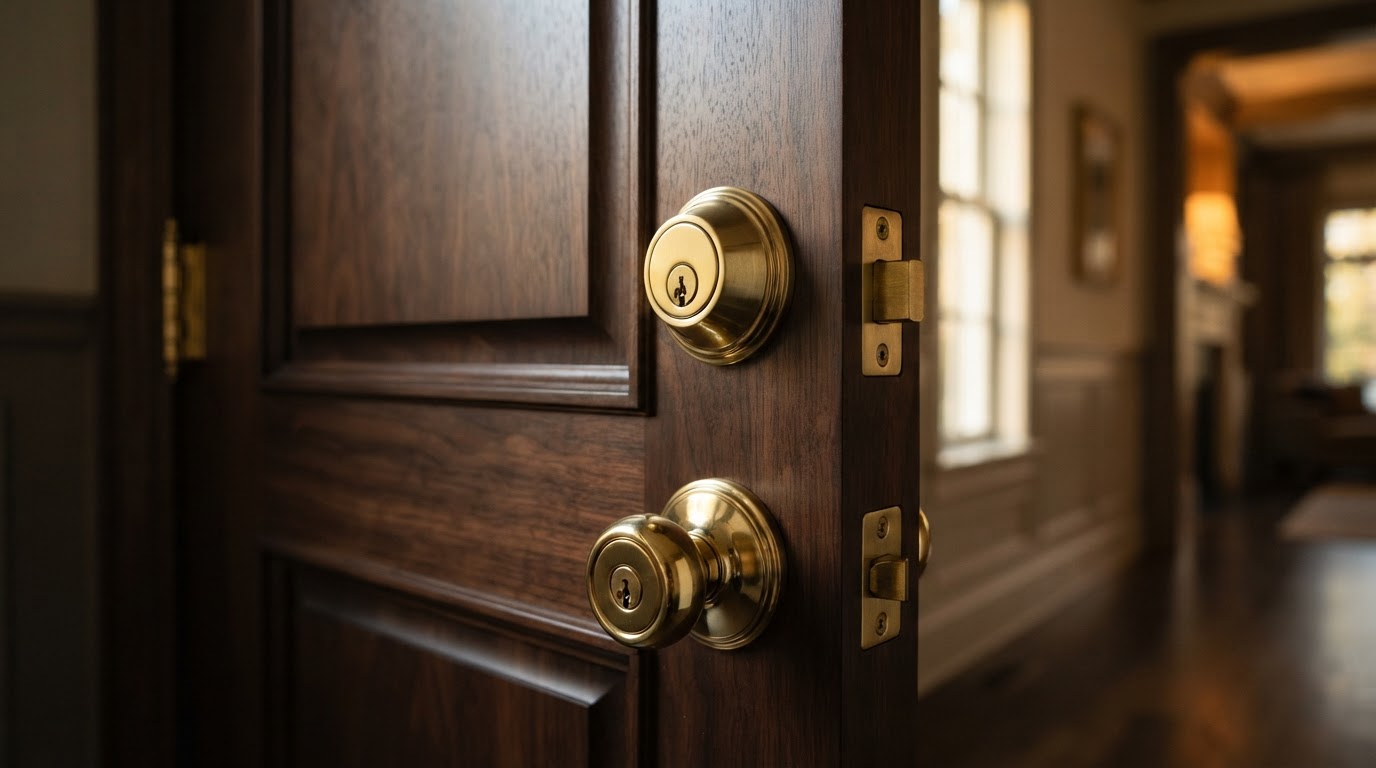
Understanding Residential Lock Hardware Options
Selecting the right locks for your Miami home involves understanding the different types of hardware available, how they function, and what factors make one option more appropriate than another for your specific situation. This guide provides a comprehensive overview of residential lock types, grading standards, and considerations specific to South Florida properties.
Lock Grades: What ANSI Ratings Mean
The American National Standards Institute (ANSI) assigns grades to locks based on rigorous testing of durability, security, and operational performance. Understanding these grades helps you make informed decisions about the hardware protecting your home.
ANSI Grade 1 represents the highest level of residential and commercial security. These locks undergo the most demanding testing cycles, including resistance to forced entry, picking, and physical attack. Grade 1 deadbolts are typically found in commercial applications but are increasingly recommended for residential use where maximum security is desired. They feature solid metal construction, hardened steel bolts, and robust internal components. ANSI Grade 2 offers a strong balance between security and cost. These locks meet intermediate testing standards and are suitable for most residential exterior doors. Grade 2 hardware provides reliable security for typical home applications and is the most common recommendation for residential entry doors. ANSI Grade 3 meets basic residential standards. While adequate for interior doors or low-risk applications, Grade 3 locks are not recommended for exterior entry points where security is a priority. They use lighter materials and have lower cycle-test requirements.When selecting a lock grade, consider the door location, neighborhood security considerations, and your budget. A professional assessment can help determine the appropriate grade for each door in your home.
Deadbolt Types: Single, Double, and Vertical
Deadbolts are the primary security lock for exterior doors and come in several configurations:
Single-cylinder deadbolts are the most common residential type. They use a key on the exterior and a thumb-turn on the interior. This configuration allows easy exit in emergencies but requires consideration of glass placement—if glass is adjacent to the lock, an intruder could break the glass and reach the thumb-turn. Double-cylinder deadbolts require a key on both sides. While they address the glass-adjacency concern, they create a potential safety hazard during emergencies if the key is not readily accessible. Building codes in some jurisdictions restrict double-cylinder deadbolts, so local regulations should be checked before installation. Vertical deadbolts mount on the door surface and lock into a strike on the door frame above. They resist jimmying attacks but have a more visible appearance that some homeowners find less aesthetically appealing.Smart Locks: Features and Considerations
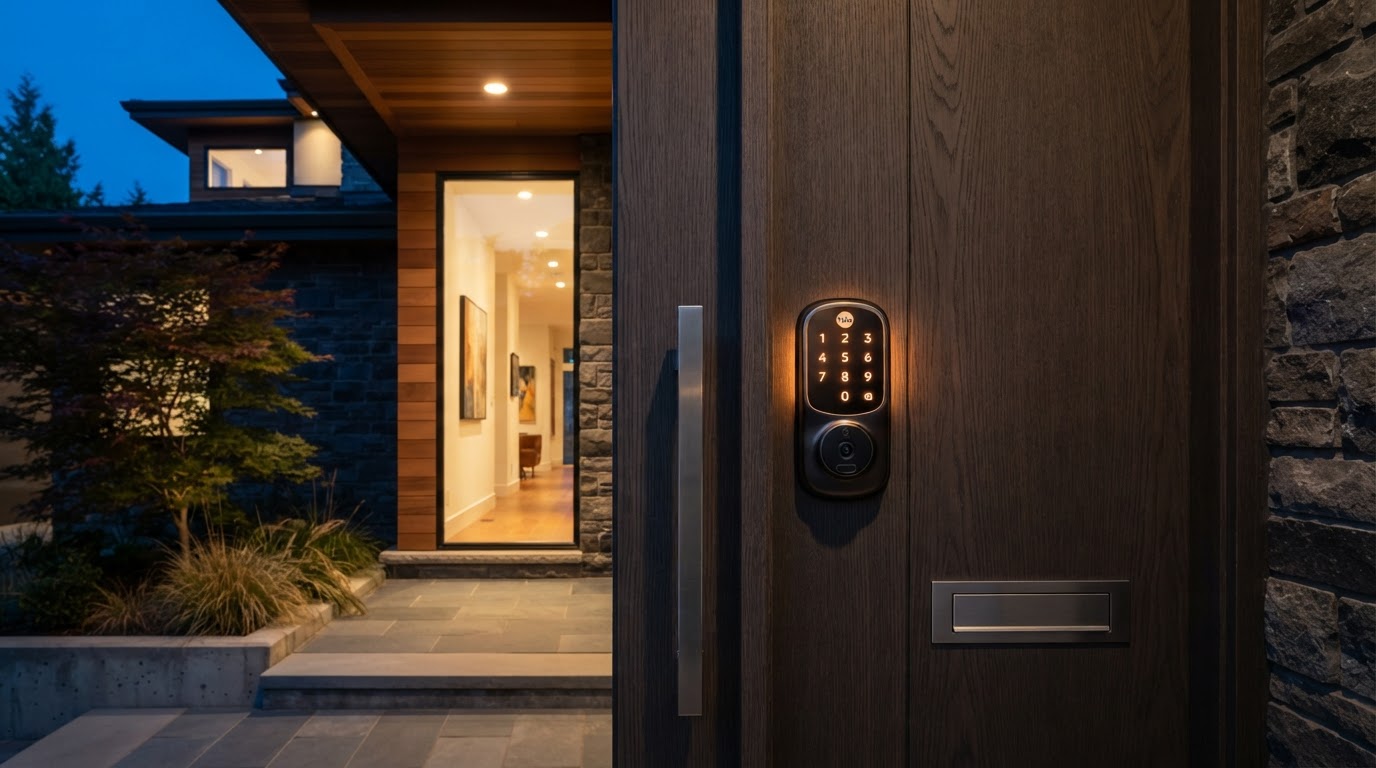
Smart locks have become increasingly popular for residential use, offering features that traditional locks cannot provide. Understanding the options helps you decide whether a smart lock is appropriate for your home.
#### Connectivity Options
Smart locks use various communication protocols:
- Bluetooth allows direct communication between the lock and a smartphone. Range is limited but power consumption is low.
- Wi-Fi enables remote access from anywhere with an internet connection. Power consumption is higher, requiring more frequent battery changes.
- Z-Wave and Zigbee are mesh network protocols that integrate with smart home hubs. They offer good range and low power consumption but require a compatible hub for remote access.
The right connectivity choice depends on your smart home ecosystem, desired features, and whether remote access is important to you.
#### Authentication Methods
Smart locks may use one or more authentication methods:
- PIN codes allow keyless entry via a keypad. Multiple codes can be programmed for different users.
- Smartphone proximity unlocks the door when an authorized phone is near.
- Biometric scanners use fingerprints for authentication.
- Physical key override provides backup access if electronic systems fail.
Having multiple authentication methods provides redundancy and convenience, but also introduces complexity that should be discussed during a professional assessment.
#### Compatibility Considerations
Not all smart locks fit all doors. Key compatibility factors include:
- Door thickness — most smart locks are designed for standard 1-3/4" doors; thicker doors may require extensions.
- Backset — the distance from the door edge to the center of the bore hole; standard backsets are 2-3/8" and 2-3/4".
- Bore hole diameter — the standard is 2-1/8", but older doors may vary.
- Door handing — left-hand, right-hand, left-hand reverse, or right-hand reverse.
A professional can measure your door and confirm compatibility before you purchase a smart lock, avoiding costly returns and installation complications.
Miami-Specific Considerations
South Florida's climate and environment create specific considerations for residential lock hardware:
#### Humidity and Corrosion
Miami's high humidity and salt air proximity can accelerate corrosion in lock components, particularly in coastal areas. Choosing locks with corrosion-resistant finishes—such as satin nickel, polished brass with protective coatings, or stainless steel—can extend hardware life. Regular maintenance, including lubrication with appropriate products, helps protect internal components.
#### Hurricane Preparedness
During hurricane season, securing your home becomes particularly important. Impact-rated doors and hardware may be required or recommended depending on your location and building codes. Lock hardware should be evaluated for its ability to withstand wind pressure and debris impact. Discuss hurricane preparedness with a locksmith professional to ensure your hardware is appropriate.
#### Multi-Family and Condo Considerations
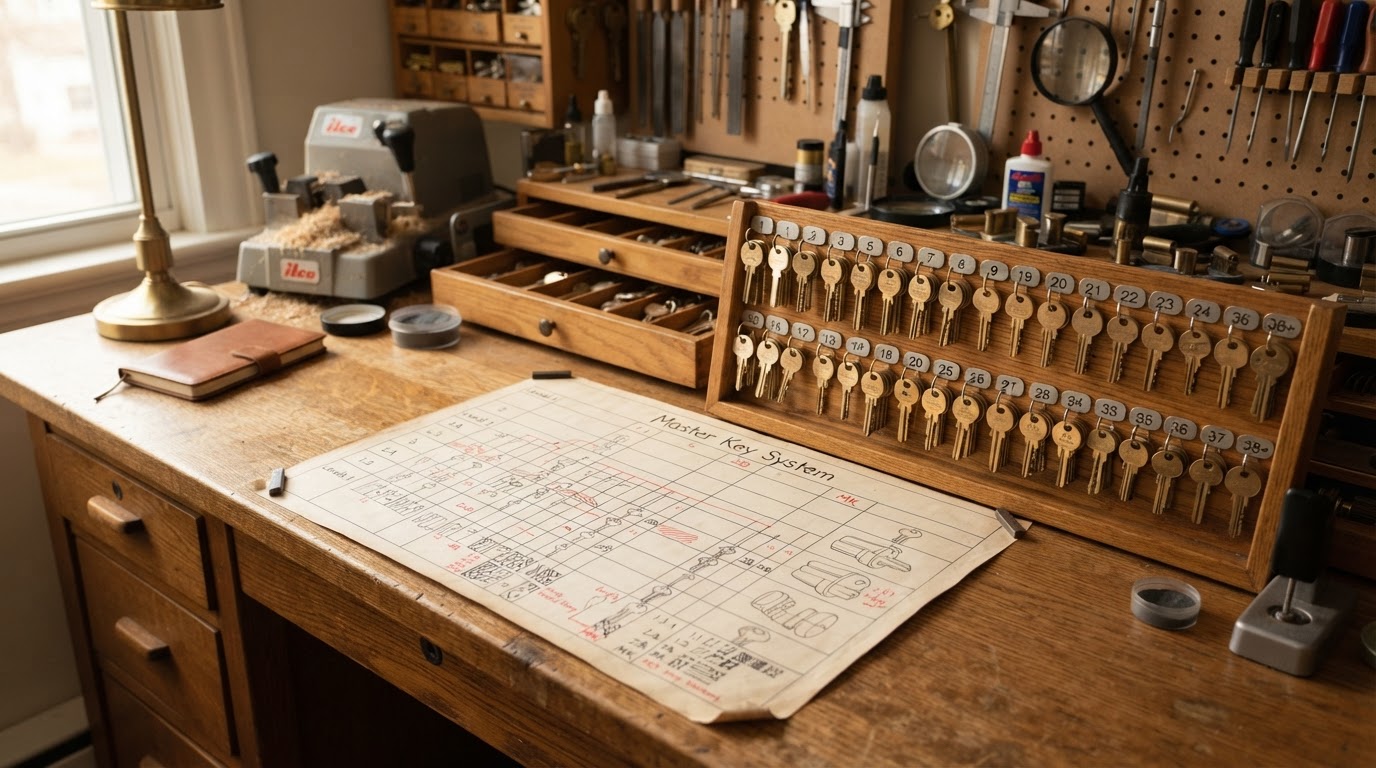
Many Miami residents live in condominiums or multi-family buildings. Building management may have specific requirements or restrictions on lock hardware modifications. Before changing locks, check with your association or building management to understand what modifications are permitted. Smart lock installations may require approval, and some buildings have master key systems that must be maintained.
The Assessment Process
When you contact a locksmith about residential lock selection, the process typically includes:
- Discussion of your needs — You describe your situation, concerns, and what you want to achieve. This includes the type of property, number of doors, and any specific security concerns.
- Assessment of existing hardware — A technician examines your current locks, door condition, and frame integrity. This identifies whether existing hardware can be retained, rekeyed, or needs replacement.
- Options presentation — Based on the assessment, suitable options are presented with explanations of features, benefits, and pricing. This is your opportunity to ask questions and understand the trade-offs.
- Approval — Scope and pricing are presented for your approval before any work begins. You choose what work to authorize.
- Installation — Once approved, the technician performs the work with care for your property's finishes and surroundings.
- Review — After completion, the work is reviewed together with you to ensure satisfaction.
Factors Affecting Cost and Scheduling
Several factors influence the cost and scheduling of residential lock services:
- Number of locks — More locks mean more time and hardware.
- Lock type and grade — Higher-grade and smart locks cost more than basic hardware.
- Door condition — Damaged doors or frames may require repair before lock installation.
- Hardware availability — Special-order or high-security hardware may require ordering.
- Access conditions — Difficult access or unusual door configurations can affect service time.
- Scheduling — Service requests are handled according to current availability.
Pricing is presented for approval before any authorized work begins, ensuring you understand the cost before committing.
Making an Informed Decision
Choosing the right residential locks is not a one-size-fits-all decision. The best choice depends on your property type, security needs, budget, and personal preferences. By understanding the options and working with a professional who explains the trade-offs, you can make an informed decision that provides appropriate security for your home.
For residents throughout Miami-Dade and Broward counties, D'Alembert Locksmith provides residential lock assessment, installation, rekeying, and repair services. Contact our team to discuss your needs, current availability, and suitable service options.