
How Locksmith Estimates Work: Understanding Pricing Factors
Understanding how locksmith pricing works helps you make informed decisions and avoid surprises. This guide provides a transparent explanation of how locksmith estimates work, what factors affect cost, and what to discuss when requesting an estimate for service.
Why Accurate Pricing Requires Assessment
Many people expect to receive an exact price over the phone, but accurate locksmith pricing requires assessing the specific situation. Here's why:
#### Lock Condition Varies
Two locks that look identical from the outside may be in very different condition internally. A lock that appears functional may have:
- Worn internal pins that need replacement
- Damage from previous forced entry attempts
- Corrosion from humidity or environmental exposure
- Misaligned components from years of use
- Incorrect pins from previous improper rekeying
Without inspecting the lock, a locksmith cannot know what work is needed or what complications may arise.
#### Hardware Compatibility Must Be Verified
For lock replacement or installation:
- Door thickness, backset, and bore hole size must be measured
- Existing hardware must be evaluated for compatibility
- The door frame must be inspected for proper strike installation
- Smart lock compatibility depends on door specifications
Without on-site measurement, recommending specific hardware is guesswork that can lead to incorrect purchases and installation problems.
#### Access Conditions Affect Time and Method
The conditions at the property affect how the work is performed:
- Gated communities — May require access coordination
- High-rise buildings — May require building access and elevator coordination
- Parking limitations — May affect equipment access
- After-hours access — May require different scheduling
- Security procedures — Some buildings have specific security protocols
These conditions affect the time required and the method used, which affects pricing.
#### Hidden Issues May Be Discovered
During an assessment, issues may be discovered that weren't apparent from the initial description:
- A lock that seemed to need rekeying may actually need replacement due to internal damage
- A door that seemed fine may have frame damage that needs repair
- A vehicle key that seemed straightforward may require a more complex programming procedure
- An access control installation may require additional wiring or infrastructure
These discoveries affect the scope and cost of the work.
The Estimate Process
#### Step 1: Initial Discussion
When you call, the locksmith discusses your situation:
- What you need — The service you're requesting
- General information — Type of property, lock, or vehicle
- Current availability — When a technician can assist
- General pricing information — A range or explanation of how pricing works
- Service call information — Whether there's a charge for the assessment visit
During this call, you receive general information but not an exact price. The locksmith explains that final pricing requires an assessment.
#### Step 2: On-Site Assessment
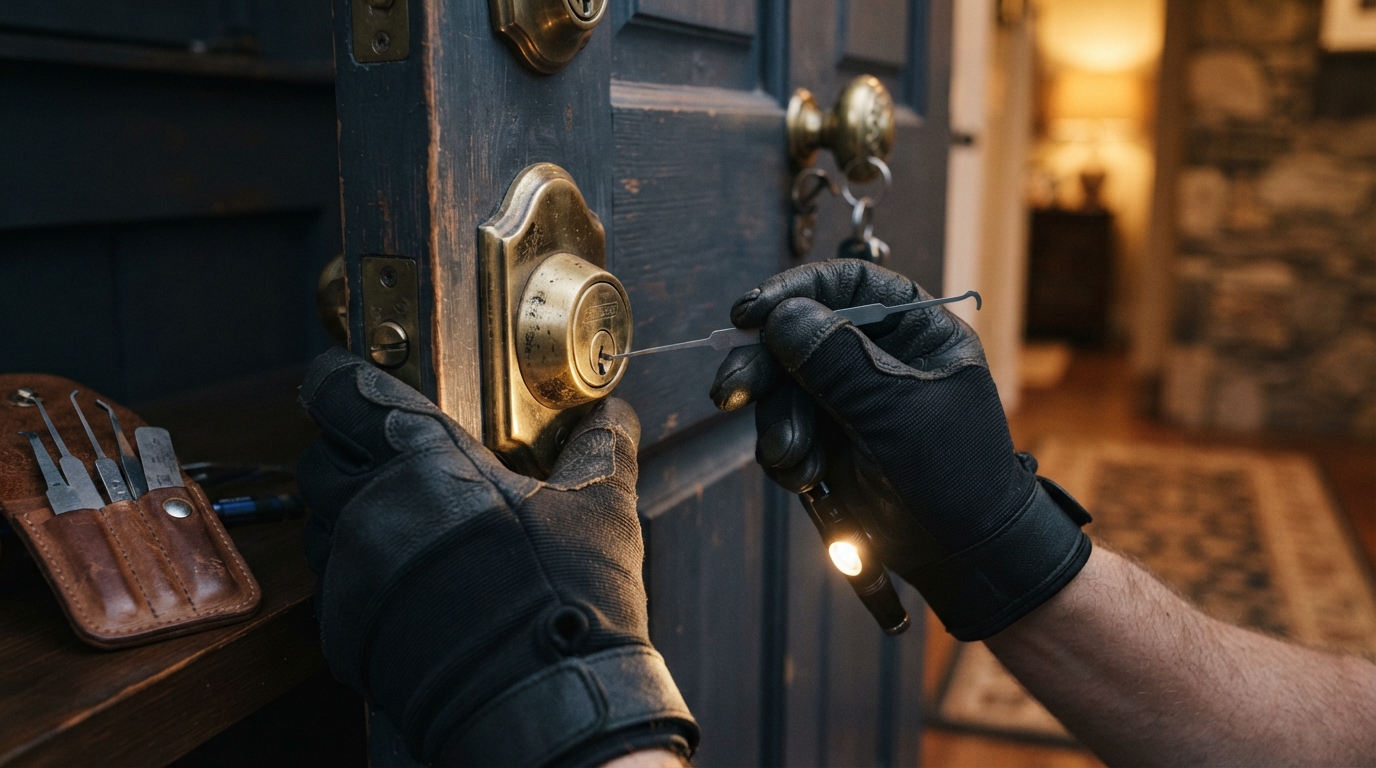
The technician arrives and assesses the situation:
- Inspection — Examining the lock, door, frame, or vehicle
- Testing — Testing operation to identify the specific issue
- Measurement — Measuring for hardware compatibility
- Evaluation — Determining what work is needed
#### Step 3: Options Presentation
Based on the assessment, the technician presents options:
- What was found — The specific issue or situation
- Available options — One or more solutions with explanations
- Pricing for each option — The cost for each proposed solution
- Trade-offs — Benefits and limitations of each option
- Recommendation — The technician's professional recommendation
#### Step 4: Your Decision
You decide which option to approve:
- Ask questions — Clarify anything you don't understand
- Compare options — Weigh the benefits and costs
- Approve — Authorize the work you want done
- Decline — Choose not to proceed (service call charges, if any, would have been discussed during the initial call)
#### Step 5: Work Begins
Only after you approve the scope and pricing does work begin. There are no surprises—you know what will be done and what it will cost before any work starts.
Factors That Affect Locksmith Pricing
Understanding the factors that affect pricing helps you understand why costs vary:
#### Service Type
Different services require different levels of expertise, time, and equipment:
- Lockout service — Labor and technique, typically less expensive than hardware replacement
- Rekeying — Labor and pin kits, moderate cost
- Lock repair — Labor and replacement parts, cost depends on the extent of repair
- Lock installation — Labor and new hardware, cost depends on hardware grade
- Smart lock installation — Labor, hardware, and configuration, higher cost
- Automotive key programming — Labor, key blank, and programming equipment time
- Access control installation — Labor, hardware, wiring, and configuration, higher cost
#### Lock and Hardware Type
Hardware costs vary significantly:
- Standard deadbolts — Moderate cost
- High-security locks — Higher cost due to restricted keyways and enhanced features
- Smart locks — Higher cost due to electronic components
- Commercial hardware — Higher cost due to durability requirements
- Automotive key blanks — Smart keys cost more than transponder keys
- Access control hardware — Readers, controllers, and locking hardware
#### Vehicle or Property Details
Complex properties and vehicles may require more time:
- Luxury vehicles — May require specialized equipment and more programming time
- High-security vehicles — May have restrictions that add complexity
- Commercial properties — May have master key systems or access control that add complexity
- Historic buildings — May have unusual hardware or door configurations
- High-rise buildings — May require building access coordination
#### Condition and Complexity
The condition of the hardware affects the work:
- Worn locks — May need cleaning, lubrication, or pin replacement before rekeying
- Damaged locks — May need repair or replacement
- Corroded hardware — May need additional cleaning or treatment
- Misaligned doors — May need adjustment before hardware installation
- Previous improper work — May need to be corrected, adding time
#### Replacement Parts
Parts needed for the service:
- Key blanks — Cost varies by type (standard, transponder, smart key)
- Lock pins — Pin kits for rekeying
- Replacement hardware — New locks, cylinders, or components
- Batteries — For smart locks or access control
- Wiring and infrastructure — For access control installations
#### Access Conditions
Conditions that affect the service:
- Difficult access — Tight spaces, high locks, unusual locations
- Gated or secure properties — Access coordination
- After-hours service — May have different scheduling considerations
- Travel distance — Distance to the property
- Parking — Availability of parking for the service vehicle
#### Time and Scheduling
When the service is performed:
- Business hours — Standard scheduling
- After-hours — May have different scheduling considerations
- Weekend — May have different scheduling considerations
- Emergency — Service requests are handled according to current availability
#### Additional Issues Discovered
Issues discovered during inspection:
- Hidden damage — Damage not visible until the lock is opened
- Incompatible hardware — Hardware that doesn't work as expected
- Code violations — Hardware that doesn't meet current codes
- Security concerns — Issues that need to be addressed for proper security
These discoveries are explained before any additional work is performed.
What to Discuss When Requesting an Estimate
To get the most accurate estimate, discuss the following:
#### During the Initial Call
- Your specific situation — What's happening and what you need
- Property or vehicle details — Type, make, model, year (for vehicles)
- Current hardware — What locks or systems you have (if known)
- Your budget — If you have budget constraints, mention them
- Scheduling preferences — When you need the service
- Service call charges — Whether there's a charge for the assessment
#### During the Assessment
- What the technician found — Ask for a clear explanation
- What options are available — Understand all your options
- Why a particular option is recommended — Ask for the reasoning
- What's included in the price — Labor, hardware, keys, etc.
- What's not included — Anything that might cost extra
- Warranty — What warranty applies to the work
- Timeline — How long the work will take
- Payment methods — How payment can be made
#### Before Approving Work
- Total cost — Confirm the total price before approving
- Scope of work — Confirm exactly what will be done
- Hardware to be used — Confirm what hardware will be installed
- Key quantities — How many keys you'll receive
- Cleanup — Will the work area be cleaned up
- Follow-up — What to do if there are issues after the service
Common Pricing Questions
#### "Why Can't I Get an Exact Price Over the Phone?"
Because accurate pricing requires assessing:
- The specific lock condition
- Hardware compatibility
- Access conditions
- Potential complications
A phone estimate is a general range, not a final price. The final price is presented after the on-site assessment and before any work begins.
#### "Is There a Charge for the Assessment?"
Assessment terms vary by service type. Some assessments are included in the service, while others may have a separate charge. This is discussed during the initial call so you have clear information before authorizing a visit.
#### "What If I Decline the Service After the Assessment?"
If you decline service after the assessment, you may be responsible for the service call charge (if one was discussed). The assessment itself is valuable—you'll know exactly what's needed and what it costs, even if you choose not to proceed.
#### "Can I Get a Price Range?"
Yes, the locksmith can provide a general price range based on the information you provide. However, this range may change based on what's found during the assessment. The final price is always presented before any authorized work begins.
#### "Why Is the Price Higher Than I Expected?"
Common reasons:
- The lock or hardware is in worse condition than expected
- The hardware needs replacement rather than repair
- The vehicle requires a more complex programming procedure
- Additional issues were discovered during the assessment
- Higher-grade hardware was recommended for your security needs
The technician explains what was found and why the price is what it is. You always have the option to decline or choose a different option.
Tips for Getting an Accurate Estimate
#### Provide Detailed Information
The more information you provide, the more accurate the initial estimate:
- Exact make and model — For vehicles, the exact make, model, and year
- Lock brand and type — If you know what locks you have
- Number of locks — How many need service
- Photos — Some locksmiths accept photos for initial assessment
- Symptoms — What's happening (key won't turn, bolt won't extend, etc.)
#### Ask the Right Questions
- "What does the assessment include?"
- "What factors could change the price?"
- "What hardware do you recommend and why?"
- "Is there a warranty on the work?"
- "What are my options?"
#### Be Present for the Assessment
Being present allows you to:
- See what the technician finds
- Ask questions during the assessment
- Understand the options
- Make an informed decision
- Approve the work with confidence
Understanding Value vs. Cost
When evaluating locksmith pricing, consider value, not just cost:
- Quality hardware — Higher-grade locks last longer and provide better security
- Professional installation — Proper installation ensures reliable operation
- Warranty — Work that's warrantied provides peace of mind
- Expertise — An experienced technician diagnoses and solves problems efficiently
- Proper tools — Professional tools prevent damage and ensure quality work
- Follow-up support — What happens if there are issues after the service
The cheapest option isn't always the best value. Consider the total package—hardware quality, installation quality, warranty, and support.
Conclusion
Locksmith pricing is based on multiple factors that can only be accurately assessed on-site. Understanding how estimates work, what factors affect pricing, and what to discuss helps you make informed decisions and avoid surprises. The key is clear communication—provide detailed information, ask questions, and understand the options before approving any work.
Contact D'Alembert Locksmith to discuss your service needs, request an estimate, and learn about current availability.