Precision Access. Thoughtful Protection. Our Approach to Locksmith Service
Every locksmith company has an approach—a philosophy that guides how they work, treat customers, and handle the responsibility of providing security. This article explains the D'Alembert Locksmith approach: careful diagnosis, respect for property, clear communication, and appropriate hardware options for every situation.
Our Approach: An Overview
The D'Alembert Locksmith approach can be summarized in two principles:
Precision Access — We work with accuracy and care, using the right tools and techniques for each situation. We diagnose before we act, and we explain what we're doing and why. Thoughtful Protection — We treat every property as if it were our own. We respect doors, frames, finishes, vehicles, and surroundings. We take the time to do the job right, not just the time to do the job.These principles guide every aspect of our service, from the initial phone call through the final review of completed work.
Careful Diagnosis
#### Understanding Before Acting
The foundation of our approach is careful diagnosis. Before we recommend a solution or begin any work, we take the time to understand the situation:
Listening first:- We listen to your description of the problem or need
- We ask clarifying questions to gather details
- We want to understand not just what's happening, but what you need the outcome to be
- We inspect the lock, door, frame, or vehicle
- We test operation to identify the specific issue
- We examine internal components when needed
- We look for underlying causes, not just symptoms
- We present options based on what we found
- We explain the benefits and limitations of each option
- We recommend the option we believe is best for your situation
- We answer your questions so you can make an informed decision
#### Why Diagnosis Matters
Careful diagnosis benefits you in several ways:
- Correct solution — We solve the actual problem, not just the symptom
- Cost-effective — We don't recommend unnecessary work
- No surprises — You know what's needed before work begins
- Appropriate hardware — We recommend hardware that fits your needs and property
- Long-term solution — We address underlying issues, not just immediate symptoms
A lock that's difficult to turn might just need cleaning and lubrication—or it might have worn pins that need replacement. A door that doesn't latch might need strike plate adjustment—or it might have frame damage that needs repair. Without careful diagnosis, the wrong solution might be applied, costing you money without solving the problem.
Respect for Property
#### Treating Your Property with Care
We understand that your property—your home, business, or vehicle—is valuable and important to you. We treat it accordingly:
Doors and frames:- We protect finishes from scratches and damage
- We use appropriate tools that won't damage hardware
- We avoid forcing components that aren't cooperating
- We clean up after our work
- We use techniques that protect the door, paint, and weather seals
- We use non-destructive methods whenever possible
- We take care with interior surfaces and trim
- We don't leave marks or damage
- We protect flooring and nearby surfaces
- We keep our work area clean and organized
- We're mindful of noise and disruption
- We respect your space and privacy
#### The Non-Destructive First Philosophy
Whenever possible, we attempt non-destructive methods first. This means:
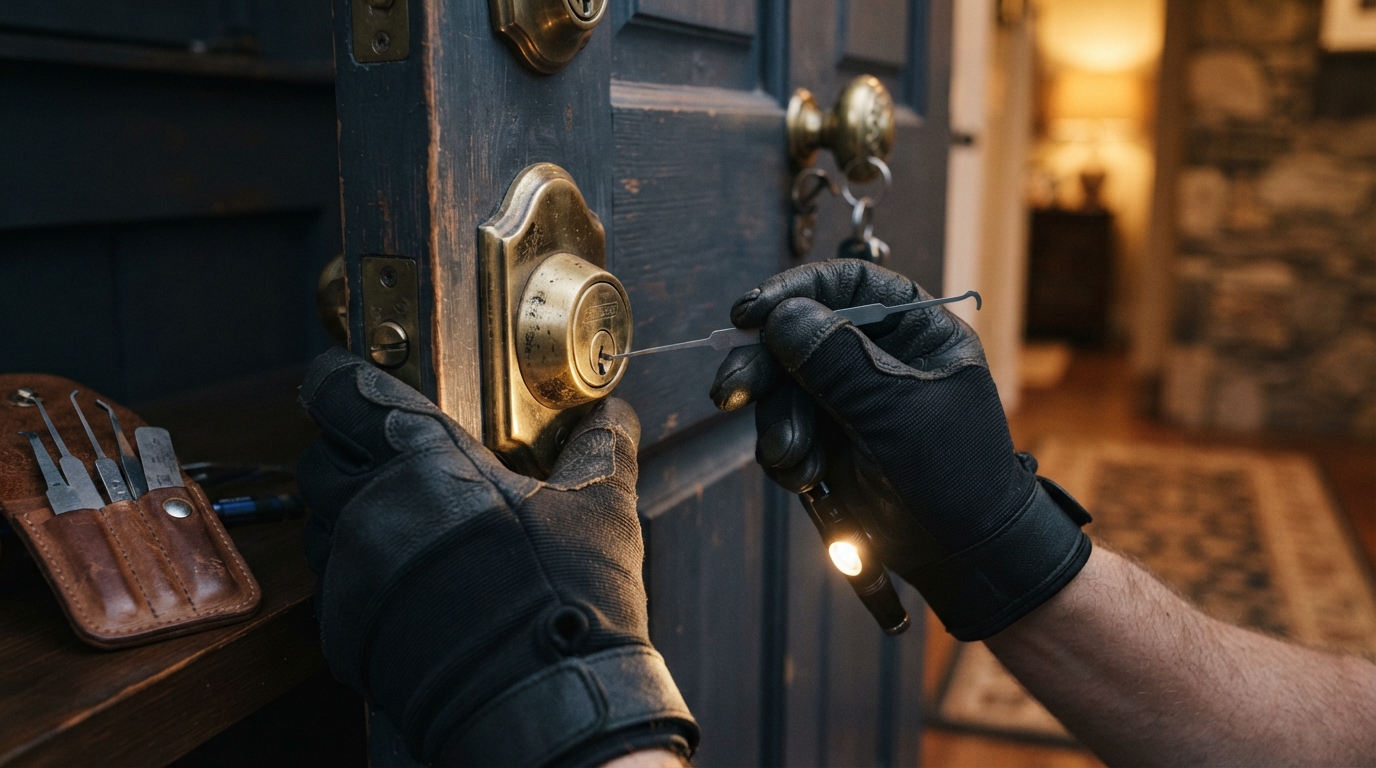
- Lock opening — We try to pick or manipulate the lock before drilling
- Vehicle entry — We use specialized tools to unlock doors without damage
- Key extraction — We use extraction tools rather than drilling out the cylinder
- Lock repair — We try to repair components before replacing them
However, non-destructive methods don't always work. Outcomes depend on:
- Lock condition — Worn or damaged locks may not respond to non-destructive methods
- Lock age — Older locks may have internal issues that prevent manipulation
- Previous work — Locks that have been improperly serviced may be difficult to open non-destructively
- Security features — High-security locks are designed to resist manipulation
- Site-specific factors — Access conditions, lock type, and other factors affect what's possible
If destructive methods become necessary, we:
- Explain why — We tell you why non-destructive methods aren't working
- Discuss alternatives — We explain what options remain
- Obtain approval — We get your approval before using destructive methods
- Minimize damage — We minimize damage to the extent possible
- Restore security — We ensure the property is secure after the work is complete
Clear Communication
#### Explaining What We're Doing
We believe you should understand what's happening with your property:
Before the work:- We explain what we found during the assessment
- We present options with clear explanations
- We answer your questions
- We present scope and pricing for approval
- We keep you informed of progress
- We explain any unexpected findings
- We answer questions as they arise
- We don't proceed with additional work without discussing it first
- We explain what was done
- We demonstrate that the work functions correctly
- We provide documentation (invoice, warranty, instructions)
- We answer any final questions
#### No Surprises
We work to eliminate surprises:
- No surprise costs — All pricing is presented before work begins
- No surprise work — We don't do additional work without approval
- No surprise methods — We explain what methods we'll use
- No surprise outcomes — We set clear expectations about what the work will achieve
If we discover something unexpected during the work, we stop and discuss it with you before proceeding. You're always in control of what's done on your property.
Appropriate Hardware Options
#### Recommending the Right Hardware
We recommend hardware based on your specific needs—not on what's most expensive or what we have in stock:
For residential properties:- We consider the door type, neighborhood, and your security concerns
- We recommend appropriate ANSI grades for each door
- We discuss smart lock options if you're interested
- We balance security, convenience, and budget
- We consider the building type, occupancy, and code requirements
- We recommend commercial-grade hardware where appropriate
- We discuss master key systems if you have multiple doors
- We consider access control integration if needed
- We use the correct key blanks and programming procedures
- We discuss OEM vs. aftermarket options
- We explain the trade-offs of different options
- We ensure the key or fob is compatible with your vehicle
#### Not Pushing Unnecessary Upgrades
We don't push unnecessary upgrades:
- If your existing lock is in good condition and meets your security needs, we'll say so
- If rekeying is more appropriate than replacement, we'll recommend rekeying
- If a standard deadbolt is sufficient, we won't push a high-security lock
- If your current hardware works, we won't recommend replacing it just to make a sale
Our goal is to provide the right solution for your situation, not to maximize the sale. This builds trust and leads to long-term relationships with our customers.
Discretion
#### Privacy and Confidentiality
We understand that security is a private matter:
- We don't discuss your service with others — Your service details are confidential
- We're discreet in residential areas — We don't draw unnecessary attention
- We respect your privacy — We don't enter areas of your property beyond what's needed
- We protect your security information — We don't share key codes, system details, or security information
#### Professional Conduct
Our technicians conduct themselves professionally:
- Punctual — We arrive when scheduled (subject to current availability)
- Professional appearance — Our technicians present a professional image
- Respectful — We treat you and your property with respect
- Focused — We focus on the work and don't engage in unnecessary conversation
Authorization and Identity Verification
#### Why We Verify
We verify identity and authorization before providing service:
- Property access — We confirm you're authorized to request service for the property
- Vehicle access — We verify vehicle ownership before providing automotive service
- Protection — Verification protects against unauthorized access to properties and vehicles
- Standard practice — Verification is expected in the professional locksmith industry
#### How We Verify
- Property — We may ask for ID, proof of residence, or authorization from the property owner
- Vehicles — We ask for registration, insurance, or title documents
- Commercial — We may ask for authorization from the business owner or property manager
This verification is not a reflection on you—it's a standard practice that protects everyone.
Residential, Commercial, Automotive, and Architectural Capabilities
#### Our Service Range
We provide service across multiple categories:
Residential:- Lock installation, repair, and replacement
- Rekeying
- Smart lock installation
- Security upgrades
- Home lockout assistance
- Commercial lock installation and repair
- Master key systems
- Access control installation and service
- Panic bar and exit device installation
- Commercial rekeying
- Car key programming
- Key fob replacement
- Transponder key service
- Vehicle lockout assistance
- Ignition service
- Security glass consultation
- Automatic door service
- Rolling shutter installation
- Storefront security hardware
- Physical security barriers
#### One Provider, Multiple Services
Having one provider for multiple service types offers benefits:
- Consistency — The same approach and standards across all services
- Comprehensive security — We can assess your property's security holistically
- Familiarity — We know your property and its security systems
- Single point of contact — One number to call for any security need
The Service Process in Practice
Here's how our approach works in practice:
#### A Residential Rekeying
- Call — You describe your situation (just moved in, want new keys)
- Assessment — The technician inspects your locks, confirms they're in good condition
- Options — The technician presents rekeying (locks are good) vs. replacement (if locks are worn)
- Approval — You approve rekeying with a specific number of keys
- Work — The technician rekeys the locks, cuts keys, and tests everything
- Review — You test all keys, confirm satisfaction, receive documentation
#### A Commercial Access Control Installation
- Consultation — You describe your needs (secure a small office, 3 doors, 15 employees)
- Assessment — The technician assesses the doors, power availability, and network
- Design — A system design is proposed with hardware, software, and integration
- Proposal — Scope and pricing are presented for approval
- Installation — The system is installed, configured, and tested
- Training — Your staff is trained on system management
- Review — The system is tested end-to-end, and you confirm satisfaction
#### An Automotive Key Replacement
- Call — You describe your situation (lost car key, need replacement)
- Information — You provide vehicle make, model, year, and VIN
- Verification — You provide proof of ownership (registration, insurance)
- Assessment — The technician confirms the key type and programming method
- Options — The technician presents key options (OEM vs. aftermarket, if applicable)
- Approval — You approve the key and programming
- Work — The key is cut, programmed, and tested
- Review — You test the key, confirm all functions work, receive documentation
Conclusion
Our approach—precision access and thoughtful protection—guides everything we do. From careful diagnosis to respect for your property, from clear communication to appropriate hardware recommendations, we strive to provide locksmith service that meets your needs and earns your trust. We're not the fastest or the cheapest, but we aim to be the most thoughtful and precise.
Contact D'Alembert Locksmith to discuss your security needs, current availability, and suitable service options.